Specialty Hospitals Market
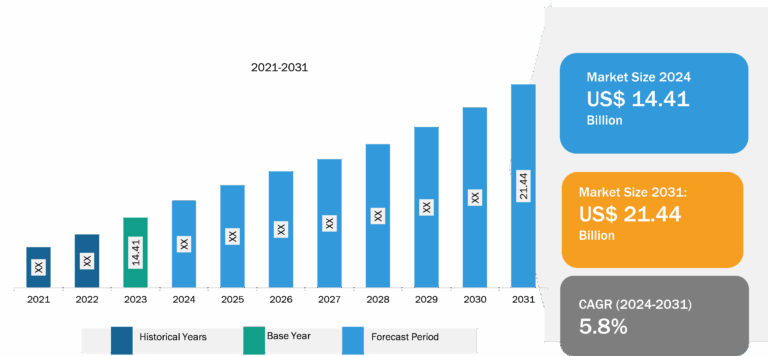
Increasing incidence of chronic diseases and growing public-private partnerships in the healthcare industry are among the factors contributing to the specialty hospitals market growth. However, the high costs of specialty hospitals hamper the market growth.
Rising Popularity of Micro Hospitals Act as Trend in Specialty Hospitals Market During Forecast Period
As the aging population is rapidly growing every year, the need for inpatient care will witness huge market growth potential. With the number of patients rising, micro-hospitals are steadily evolving. Micro hospitals deliver highly effective treatment in a low-cost setting. These hospitals focus on the community needs and operate within a compact clinical and administration framework. Their facilities range from 15,000 to 60,000 square feet, and these hospitals offer around eight to twelve medical beds in remote and under-served locations. These smaller facilities provide low-cost treatment options for patients. Compared to larger hospitals, micro hospitals offer the same services and short hospital stays, thereby reducing patient treatment costs. As there is a lower number of medical beds, micro hospitals can offer personalized medical care.
Micro-hospitals are being established at numerous locations globally, in both developed and developing communities. These facilities are easier to construct, cost less than constructing a full-fledged hospital in rural areas, and are more adept at providing community-specific care. These facilities are also affiliated with a large healthcare chain and have faster and higher reimbursement for the services provided.
Micro-hospitals are bridging the gap for better and timely healthcare for remote communities. Micro-hospitals cannot offer all the services provided in a traditional hospital; however, they can certainly cater to more than 90% of the healthcare needs of the people. For instance, in the first half of the year 2024, UChicago Medicine Crown Point, a micro-hospital facility, opened in northwest Indiana in the US. Also, many health systems, such as Dignity Health and SCL Health, are using micro-hospitals to expand their services and fill gaps in markets. These hospitals offer services such as emergency medical care, laboratories and lab services, inpatient care, imaging, pharmacy services, surgeries, primary care, labor and delivery, dietary services, and pediatric care. Owing to these advantages, micro hospitals are gaining a foothold and being launched in multiple regions. With the growing popularity of micro hospitals in providing cost-effective solutions to patients, the healthcare industry is likely to experience positive outcomes in the coming future.
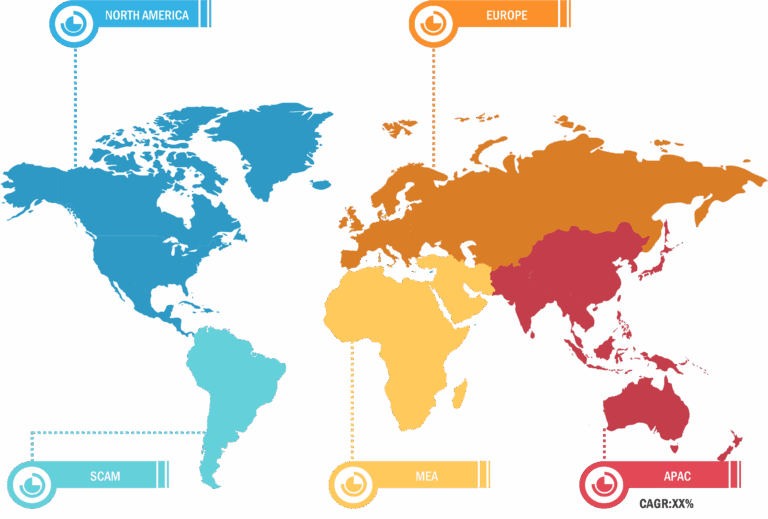
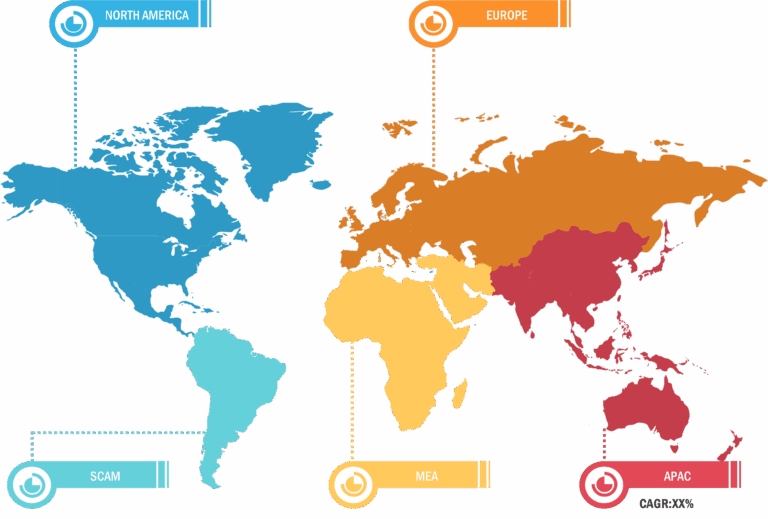
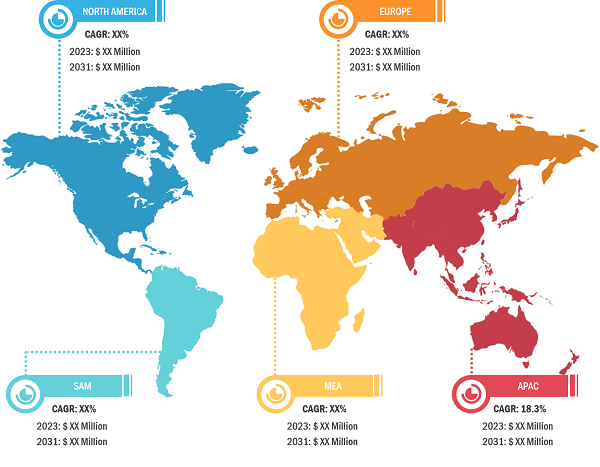
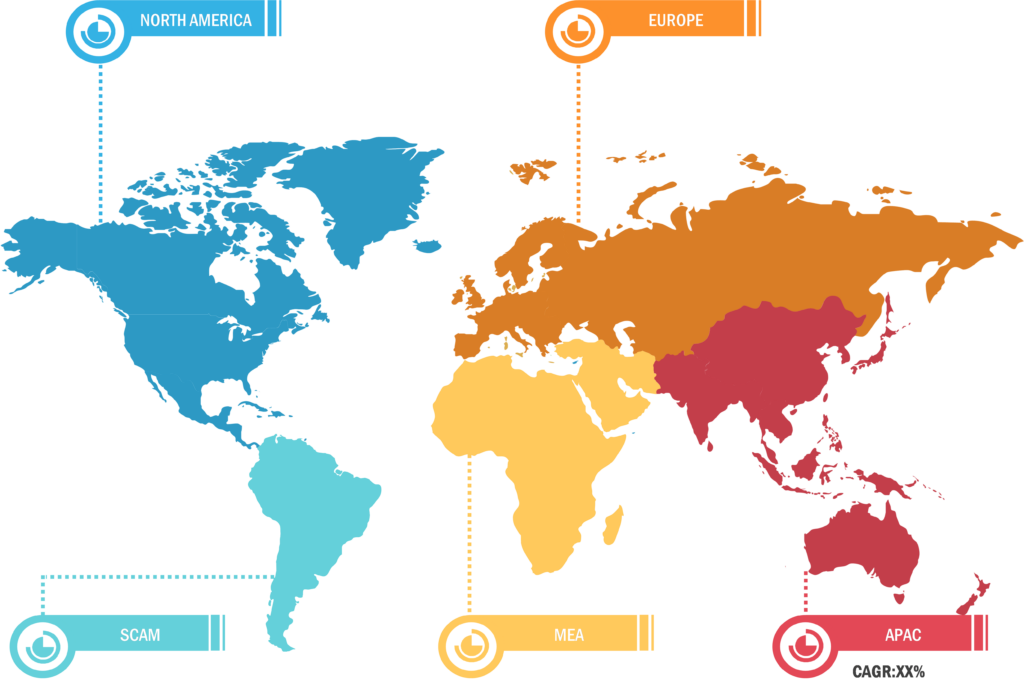
The geographic scope of the specialty hospitals market report covers North America (US, Canada, and Mexico), Europe (Spain, UK, Germany, France, Italy, and Rest of Europe), Asia Pacific (South Korea, China, India, Japan, Australia, and Rest of Asia Pacific), and the Middle East & Africa (South Africa, Saudi Arabia, UAE, and Rest of Middle East & Africa).
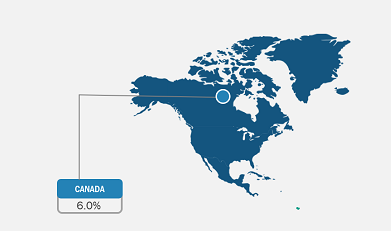
Canada held a significant share of the specialty hospitals market in North America. The aging population of Canada is predicted to increase the demand for specialized care in fields such as orthopedics, cardiology, oncology, and geriatrics in the coming years. The need for specialized care and facilities will grow due to the increasing incidence of chronic illnesses in the geriatric population, including diabetes, heart disease, and cancer. For instance, 9 out of 10 cancer cases in Canada are diagnosed in individuals over 50, according to the Canadian Cancer Society. In addition, procedures such as fertility treatments, cosmetic surgery, and orthopedic surgeries are anticipated to increase in the coming years. Canadians are seeking specialized care outside of general hospitals and are willing to pay for quicker, more specialized care is one of the key factors that will boost the market growth for specialty hospitals that concentrate on these elective procedures. For instance, 117,078 hip and knee replacements were carried out in Canada during 2021–2022, according to the Canadian Joint Replacement Registry (CJRR). Thus, private specialty hospitals might expand in response to the growing demand for quicker access to specialized care, potentially rising market competition. In addition, specialty hospitals that provide specialized, high-quality care will be in high demand as the emphasis on individualized and patient-centered care grows in the near future. Overall, the specialty hospitals market in Canada is expected to grow in the future owing to factors such as changing demographics; an increase in surgical procedures; and a move toward more individualized, patient-centered care, including expansion of outpatient and private options.
Mexico has significant medical tourism; owing to its accessibility, cost-effectiveness, and high standard of care, patients come from the US, Canada, and other nations for treatment. The demand for specialty hospitals in the country is increased by a rise in medical tourism for dental procedures and surgeries such as bariatric surgery. For instance, medical tourism in Mexico has grown significantly in popularity as a high-quality, reasonably priced alternative for patients from other countries in need of dental, medical, and cosmetic procedures. Also, medical services in Mexico are reasonably priced and comparatively 70–75% less than in the US.
There is a surge in investment in the private healthcare sector in Mexico as numerous private healthcare organizations are expanding their networks of specialty hospitals to serve the country’s growing middle-class and foreign patient populations. Patients seeking specialized services without the lengthy wait times frequently observed in public facilities will continue to be drawn to private specialty hospitals because they provide quicker access and better care than those in the public sector. For instance, in 2019, Mexico had 22,831 public healthcare units, comprising 4,629 hospitals (194 of which were highly specialized medical centers) and 3,114 accredited private hospitals—according to The International Trade Administration.
The need for specialized oncology hospitals and cancer treatment facilities in Mexico is increasing due to the country’s rising prevalence rates of cancer. The number of specialty hospitals specializing in cutting-edge cancer therapies, such as radiation therapy, surgery, and chemotherapy, will grow to cater to this demand. For instance, the International Agency for Research on Cancer reports that in Mexico, there were ~207,154 new cases of cancer in 2022. Therefore, the Mexico specialty hospitals market is being driven by the rising demand for elective surgery, chronic illness management, and medical travel. Investments in public-private partnerships, private healthcare, and medical technology advancements will further fuel the market growth in the near future.
The specialty hospitals market analysis has been carried out by considering the following segments: specialty type, service type, hospital type, and geography. Based on specialty type, the specialty hospitals market is segmented into pediatric hospitals, obstetrics-gynecology hospitals, ENT hospitals, oncology hospitals, rehabilitation hospitals, orthopedic hospital, neurology hospital, cardiology hospitals, and others. Based on service type, the specialty hospitals market is divided into outpatient and inpatient. Based on hospital type, the specialty hospitals market is divided into public hospitals and private hospitals.
Specialty Hospitals Market: Competitive Landscape and Key Developments
Advanced Specialty Hospitals; Encompass Health Corporation; Icahn School of Medicine at Mount Sinai; Indiana University Health, Inc.; Kindred Healthcare, LLC; Memorial Sloan Kettering Cancer Center; Select Medical Holdings Corp; Stanford Health Care; Steward Health Care System LLC; Universal Health Services Inc; Vibra Healthcare, LLC; Brigham and Women’s Hospital; Cleveland Clinic; Community Health Systems Inc; HCA Healthcare; Johns Hopkins Medicine (Wilmer Eye Institute); McLean Hospital; and NYU Langone Hospitals are among the prominent players profiled in the specialty hospitals market report. In addition, several other players have been studied and analyzed during the study to get a holistic view of the market and its ecosystem. These companies focus on geographic expansions and new product launches to meet the increasing demand from consumers worldwide and diversify their product range in specialty portfolios. Their global presence allows them to serve a large customer base, subsequently facilitating market expansion.