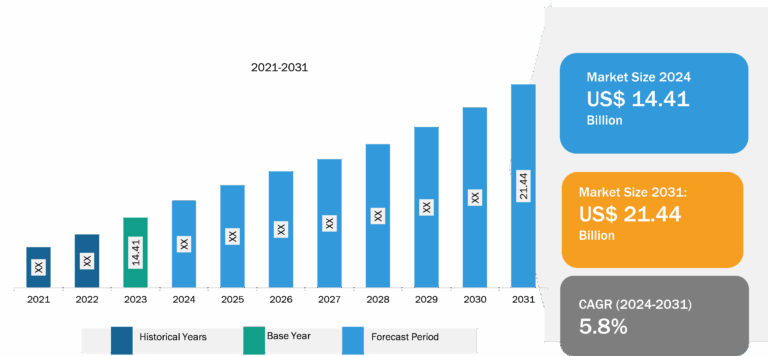
The growing preference for minimally invasive procedures and the use of biocompatible materials are among the factors contributing to pectus bar market growth. However, post-surgical complications hamper the market growth. Nevertheless, the use of multiple pectus bars to support the chest is likely to bring new trends in the market in the coming years.
Use of Multiple Pectus Bars to Reposition Chest Likely to Trend in Pectus Bar Market During Forecast Period
Generally, single-bar insertion applies a dynamic force on the vicinity of the bar, only correcting the deformity around it and not at distal regions. Therefore, additional bars are considered to exert force on multiple sites of the thorax, allowing the coverage of multiple rib levels. With pectus bar displacement being one of the most common post-surgical complications, several ongoing studies suggest the use of multiple pectus bars to ensure proper placement of the bar for a longer duration. Currently, three known surgical techniques are used in the multiple bar insertion approach: the parallel bar insertion technique, the XI bar insertion technique, and the crossbar insertion technique. According to the study “The effectiveness of double-bar correction for pectus excavatum: A comparison between the parallel bar and cross bar techniques,” published by NLM in September 2020, parallel bars and cross bars are both used on a certain number of patients to check the effectiveness of these techniques. As per the study, both parallel bar and crossbar insertion techniques were more effective than single pectus bar; however, the crossbar technique is superior to the parallel bar technique for correcting complex and wide range of chest wall deformities. Moreover, various ongoing studies reveal that the multiple bar techniques can easily avoid complications associated with the use of a single bar. As per one such study “Modification of the Nuss procedure: the crossed bar technique for new subtypes of pectus excavatum,” published by Springer in March 2023, about 99% of patients reported satisfaction with the crossbar technique after six months post-surgery. Thus, the use of multiple pectus bars instead of a single bar for the treatment is likely to trend in the pectus bar market during the forecast period.
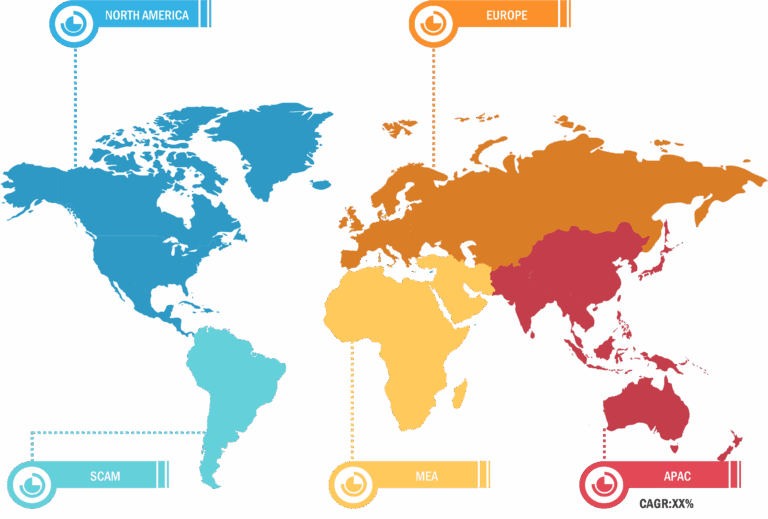
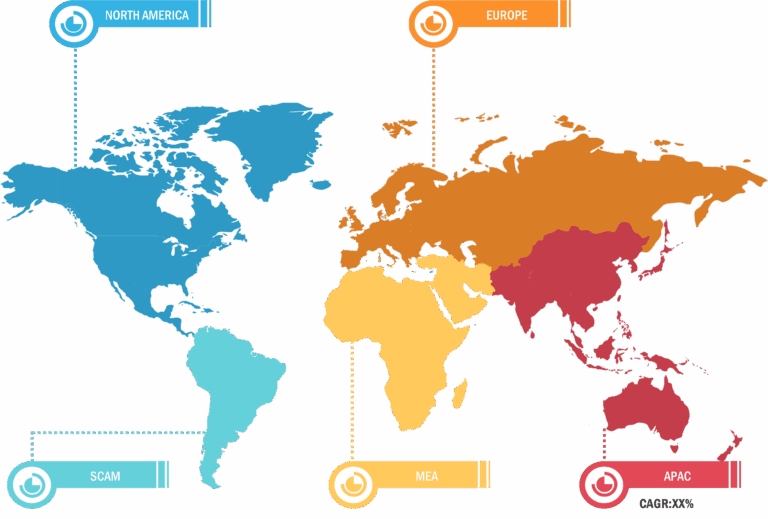
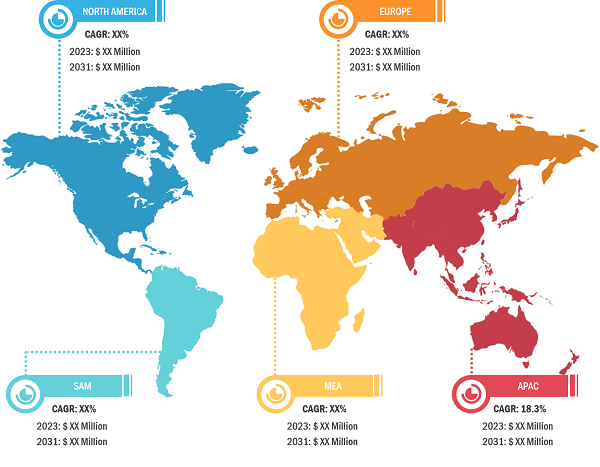
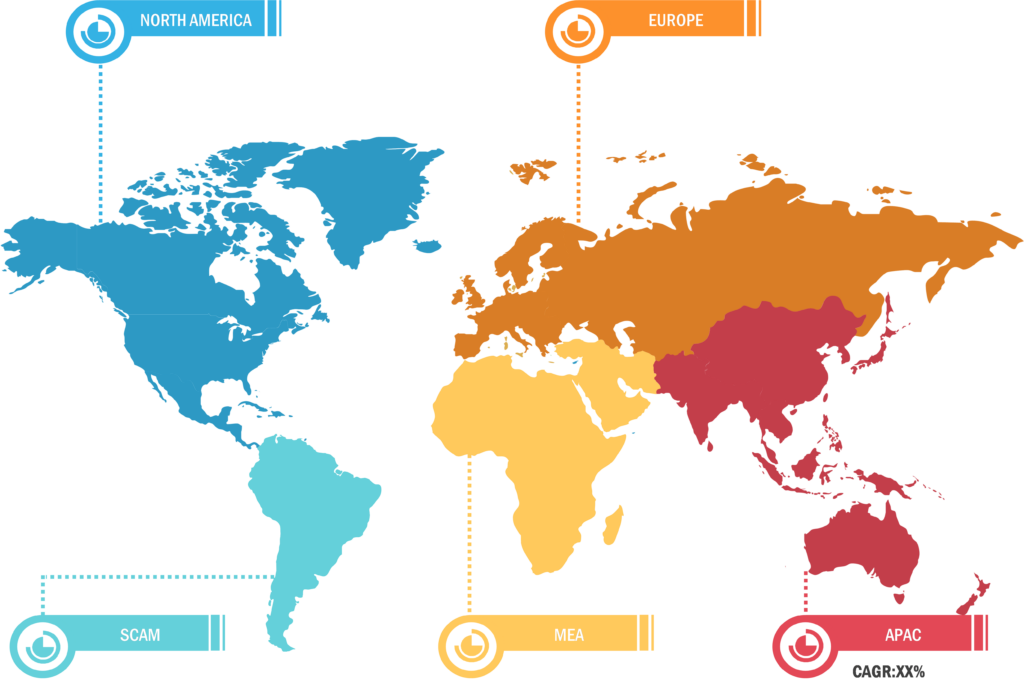
The geographic scope of the pectus bar market report covers North America (the US, Canada, and Mexico), Europe (Spain, the UK, Germany, France, Italy, and the Rest of Europe), Asia Pacific (South Korea, China, India, Japan, Australia, and the Rest of Asia Pacific), South & Central America (Brazil, Argentina, and the Rest of South & Central America), and the Middle East & Africa (South Africa, Saudi Arabia, the UAE, and the Rest of Middle East & Africa).
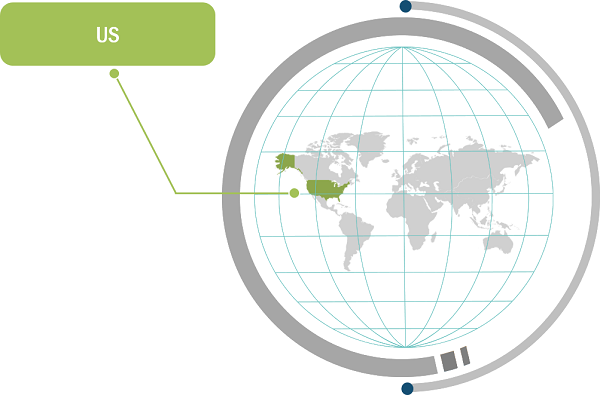
The US leads the pectus bar market in North America. In the US, pectus excavatum affects 1 out of every 400 newborns. In nearly 40% of pectus excavatum cases, the patient has a family history of chest wall deformities (Source: Elsevier Journal, 2022). As the nation has well-developed healthcare infrastructures and facilities, surgical procedures are carried out efficiently. Additionally, the use of advanced imaging and 3D printing technologies facilitates the development of tailored solutions for better results, which increases demand for pectus bars and promotes its market expansion.
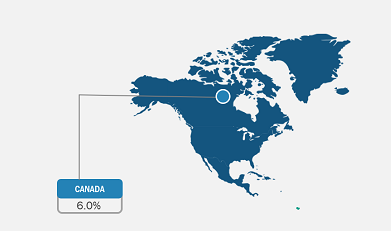
Canada is the second-largest country in the region and is expected to register significant growth in the pectus bar market. The factors contributing to the market include increasing awareness regarding chest wall deformities. As per the Western Toronto Thoracic Associates 2021 report, pectus excavatum is the most common congenital chest wall defect affecting 8 out of 1,000 live births in Canada. The supportive reimbursement policies for the treatment of pectus excavatum for medical reasons are highly supported by the government in the country.
The supportive reimbursement policies in Mexico are likely to contribute to the increasing surgical procedures including pectus excavatum. Employees and their families across various categories of employment receive health insurance through multiple national social security institutions, e.g., the Mexican Social Security Institute (IMSS) for industry workers, ISSSTE for federal government employees, SEDENA for armed forces, SEMAR for the navy, and PEMEX for oil industry employees. The Seguro Popular public insurance scheme provided insurance coverage for millions of low-income Mexicans outside the formal workforce until it was replaced by Instituto de Salud para el Bienestar (INSABI) in January 2020. Additionally, the availability and adoption of advanced treatment options such as Pectus Up in Mexico is expected to contribute the market growth. For instance, in February 2021, pectus excavatum surgery was performed using Pectus Up extrathoracic implant developed by Ventura Medical Technologies in Sanatorio Cuautla Hospital in the state of Michoacán, in northern Mexico.
The pectus bar market analysis has been carried out by considering the following segments: type, end user, and geography. Based on type, the market is segmented into titanium and stainless steel. By end user, the market is divided into hospitals, specialty clinics, and others.
Pectus Bar Market: Competitive Landscape and Key Developments
KLS Martin Group, IDEAR SRL, Biotech GmbH, Zimmer Biomet Holdings Inc, Ventura Medical Technologies, and MedXpert GmbH are among the prominent players profiled in the pectus bar market report. In addition, several other players have been studied and analyzed during the study to get a holistic view of the market and its ecosystem. These companies focus on geographic expansions and new product launches to meet the increasing demand from consumers worldwide and diversify their product range in specialty portfolios. Their global presence allows them to serve a large customer base, subsequently facilitating market expansion.