Trade Credit Insurance Market
Rise in Inflation and High Interest Rates Fuels Trade Credit Insurance Market Growth
Inflation and high interest rates lead to financial vulnerabilities even when the business volume is not increasing. Rising business costs result in a higher risk of bad debts and counterparty default, which boosts the demand for trade credit insurance among businesses to support smooth operations. It protects insurers from default on payments due to increased costs, rising expenses, and high interest rates. Trade credit insurance supports businesses to increase their volume, support resilience in the face of continued volatility, and expand into new sectors and markets. Trade credit insurance provides businesses with an up-to-date insight into payment performance; for example, if the payment was made by their potential business partner on time or not. Furthermore, trade credit insurance gives insurers information that supports brokers to improve insurers’ existing credit management methods and protect margins from being influenced by inflation and high interest rates. Additionally, trade credit insurance gives trade receivables that help businesses receive better terms from funders or investors, allowing businesses to deal effectively with high interest rates and rising inflation situations. This is also helpful for businesses that are less capable of dealing with inflation. Thus, the growing inflation and high interest rates are contributing to the growing trade credit insurance market size.
Trade Credit Insurance Market: Industry Overview
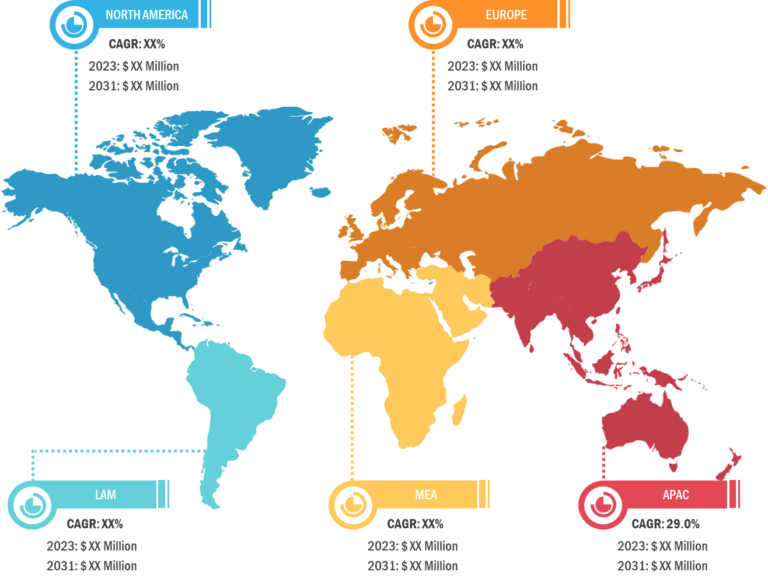
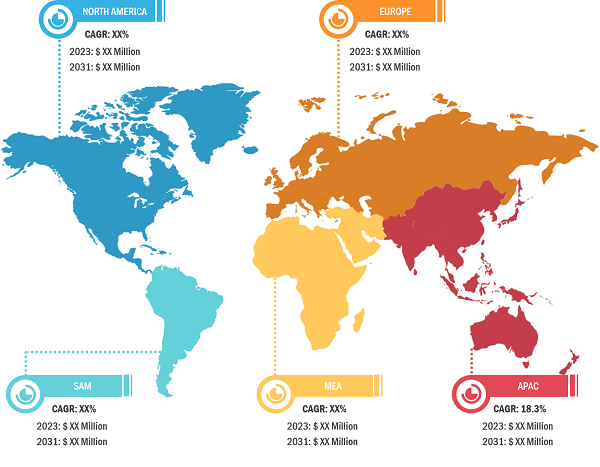
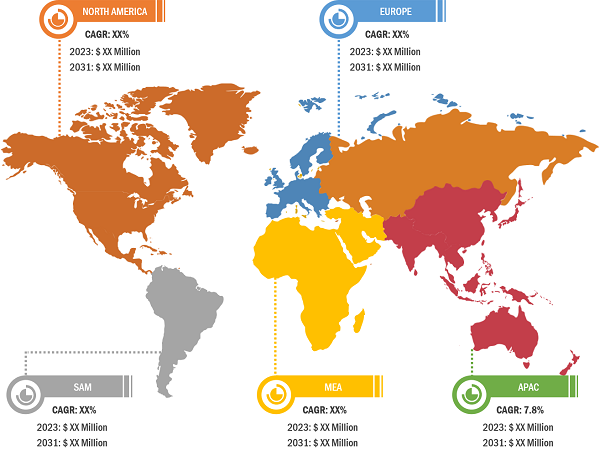
The trade credit insurance market analysis has been carried out by considering the following segments: enterprise size, end user, and application. Based on enterprise size, the trade credit insurance market is segmented into SMEs and large enterprises. On the basis of application, the market is divided into domestic and international. Based on end user, the trade credit insurance market is segmented into energy, automotive, aerospace, chemicals, metals, agriculture, food and beverages, financial services, technology and telecommunications, transportation, and others. The energy segment held a larger trade credit insurance market share in 2023. In terms of geography, the market is segmented into North America, Europe, Asia Pacific (APAC), the Middle East & Africa (MEA), and South & Central America.
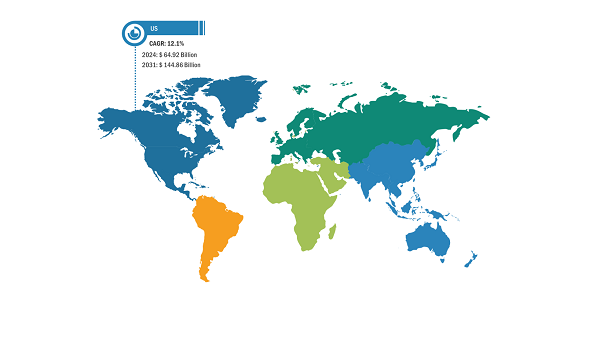
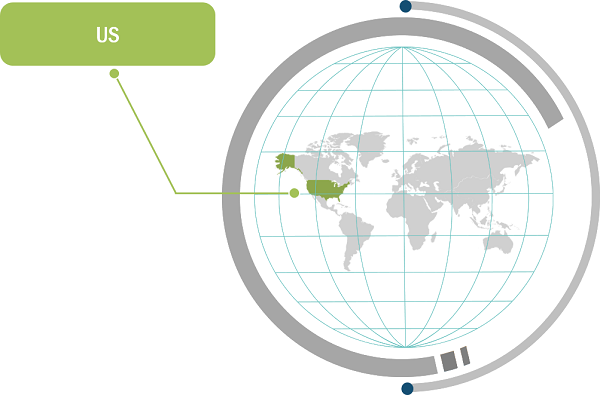
The US, Canada, and Mexico are among the major economies in North America. The region accounts for a significant share of the global trade credit insurance market owing to the growing insurance activities such as single risk and bonding. Increasing requirements for trade credit insurance among businesses encourages market players to develop new-generation services to meet their customers’ requirements. For instance, in 2023, COFACE SA launched URBA360. It is a new online risk management tool that uses information from business reports, financials, economic briefings, and public and unique data sets to provide a comprehensive perspective of risk in graphic format. With this tool, businesses can easily understand their financial risks and select appropriate insurance coverage. Moreover, according to Allianz Trade data published in February 2024, the insolvency rate in North America has risen by 41%, which is expected to generate an additional risk of nonpayment for small suppliers. This created the demand for trade credit insurance among small suppliers to make timely payments.
A rise in trade and export activities has led to an increased demand for trade credit insurance among businesses to make payments and clear their pending debt. For instance, the president of Coface North America predicted that their trade credit insurance is expected to grow by 25% in 2024 due to growing export activities in the region. This creates opportunities for businesses in the region to reduce their debts, improve cash flows, and facilitate sales. Thus, North America is estimated to hold a significant trade credit insurance market share during the forecast period.
Trade Credit Insurance Market: Competitive Landscape and Key Developments
Allianz Trade, COFACE SA, American International Group Inc, Chubb Ltd, QBE Insurance Group Ltd, Aon Plc, Credendo, Atradius NV, Zurich Insurance Group AG, and Great American Insurance Company are among the key players profiled in the trade credit insurance market report. Several other essential market players were analyzed for a holistic view of the market and its ecosystem.
The trade credit insurance market report provides detailed market insights, which help the key players strategize their market growth. A few recent developments by the key players, as per the company press releases, are mentioned below:
• In 2022, Zurich Insurance Group (Zurich) launched Zurich eXchange, a newly created global API marketplace that brings together the best services from the Zurich Group, enabling faster integration and more efficient collaboration within the company, along with customers and partners. This initiative is a major step toward Zurich’s digital transformation. The publication of its APIs helps the company avoid complex point-to-point integrations and allows customers, distributors, and partners to connect digitally with Zurich from a single, all-in-one platform.
• In 2020, UK government announced a government-backed temporary reinsurance scheme to boost economic recovery. The Scheme is a recognition of the pivotal role played by credit insurers in modern trade and provides support to many businesses that rely on trade credit insurance. With the launch of this scheme, Atradius, a leading trade credit insurer, collaborated with the Department for Business, Energy and Industrial Strategy, UK Government, and launched a temporary, government-backed reinsurance scheme to help businesses recover from the impacts of the COVID-19 pandemic. The scheme aimed to help accelerate the economic recovery by ensuring the continued availability of trade credit insurance in the face of unprecedented financial pressures currently being experienced across most business sectors.