Digital PCR (dPCR) market
The growing geriatric population and increasing prevalence of infectious diseases are noteworthy factors contributing to the growing Digital PCR (dPCR) market size in the world. Moreover, the market is anticipated to rise with technological developments, surging demand from emerging countries, and burgeoning awareness regarding health. Government initiatives in regions such as North America and Europe to support and promote the adoption of PCR techniques in research and clinical applications also contribute to the expansion of the Digital PCR (dPCR) market. However, the high cost of a system and consumables hinder the Digital PCR (dPCR) market growth.
Increasing Incidence of infectious Diseases Drives Digital PCR (dPCR) market Growth
The global COVID-19 outbreak had a significant effect on the Digital PCR (dPCR) market growth. Nearly all diagnostic tests use RT-PCR to test the people having symptoms of COVID-19, as authorities had not endorsed viral culture tests, while healthcare experts urged such subjects in huge numbers to undergo diagnostic tests. The majority of biotech and pharmaceutical businesses were concentrating their research and development efforts on finding novel compounds or therapy approaches for COVID-19. In February 2022, Roche added the Cobas 5800 System, a newly released molecular laboratory instrument, to its COVID-19 PCR portfolio for use in nations that accept the CE certification. These product includes the Cobas SARS-CoV-2 and influenza A/B tests, as well as the Cobas SARS-CoV-2 test. These products offer uniform performance and efficiency across low-, medium-, and high-volume molecular laboratory testing needs. Additionally, healthcare organizations with limited space or resources can have comprehensive access owing to the new, compact Cobas 5800 System. Thus, a rapid rise in the incidence of genetic and infectious diseases fuels the Digital PCR (dPCR) market growth.
Digital PCR (dPCR) market: Segmental Overview
The Digital PCR (dPCR) market is segmented on the basis of technology, component, application, and end user.
Based on technology, the market is categorized into droplet digital PCR (ddPCR) and BEAMing digital PCR. The ddPCR segment held a significant market share in 2023, and it is estimated to register the highest CAGR during 2023–2031.
Based on component, the market is categorized into instruments, reagents and consumables, and software and services. The reagents and consumables segment held a significant market share in 2023, and it is further estimated to register the highest CAGR during 2023–2031.
Based on application, the Digital PCR (dPCR) market is categorized into clinical, research, and forensic. The hospital and eye clinics segment held a significant market share in 2023. The segment is estimated to register the highest CAGR during 2023–2031.
Based on end user, the Digital PCR (dPCR) market is categorized into hospitals and eye clinics, academic and research laboratories, and other end users. The hospital and eye clinics segment held a significant market share in 2023; the market for this segment is estimated to register the highest CAGR during 2023–2031.
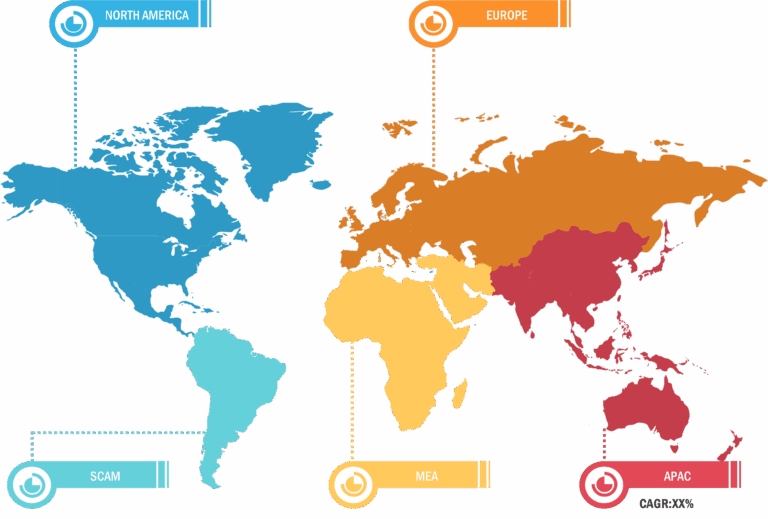
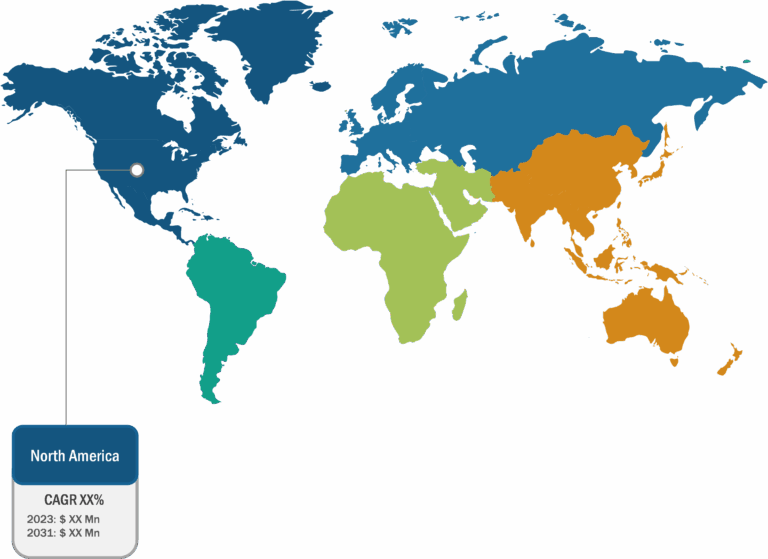
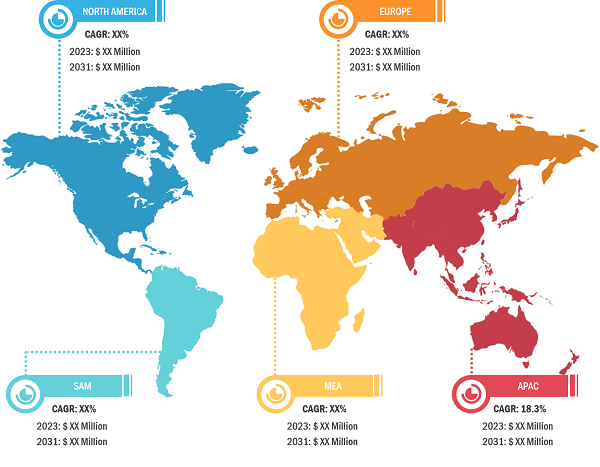
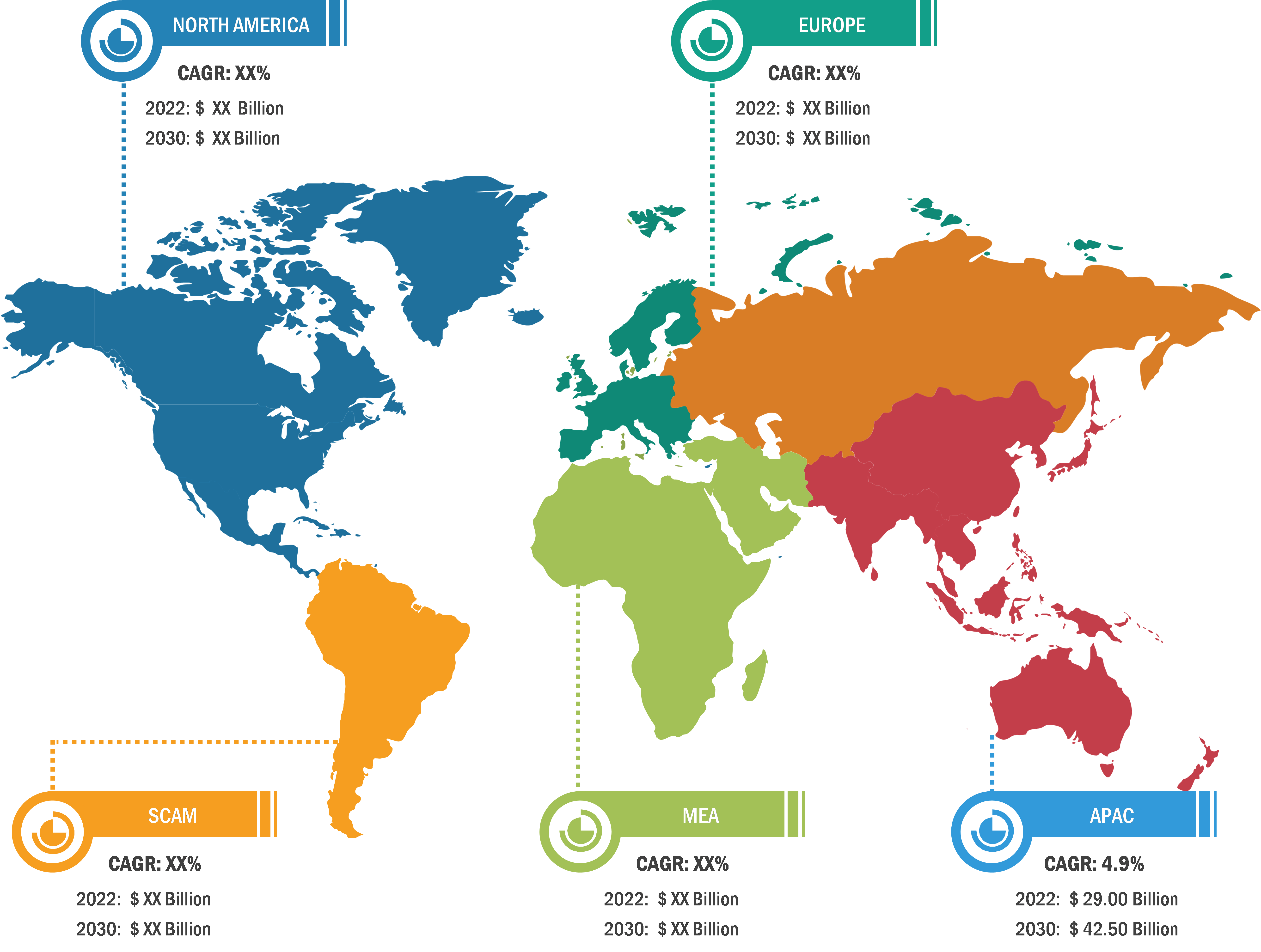
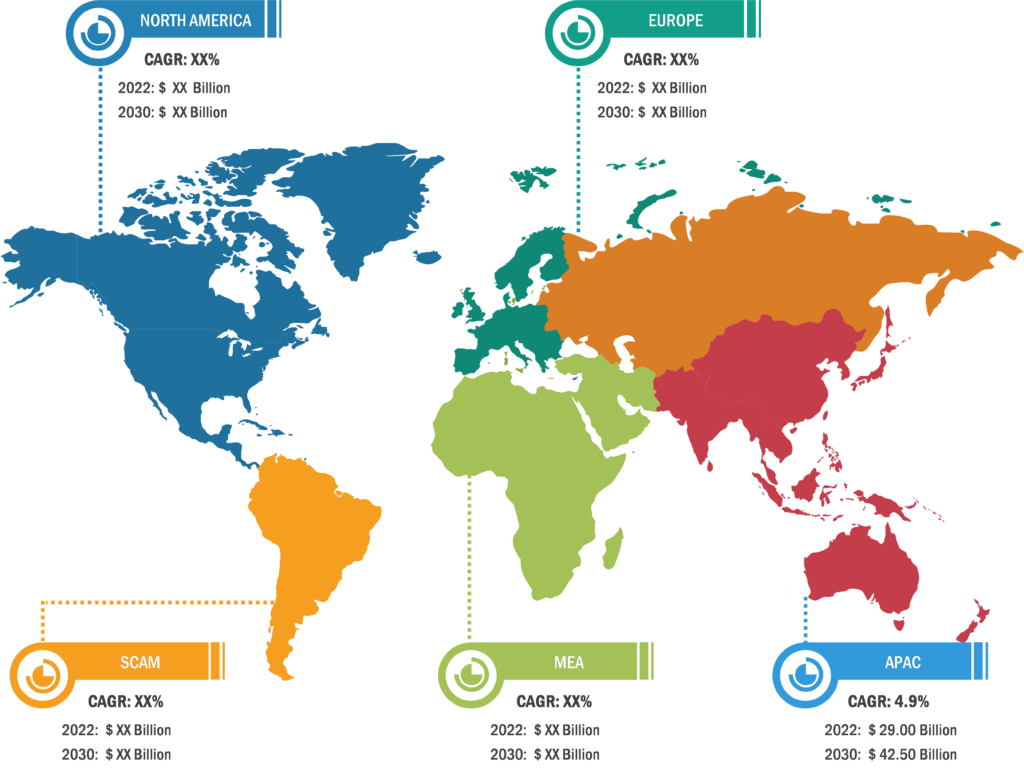
In terms of geography, the Digital PCR (dPCR) market is categorized into North America, Europe, Asia Pacific, Middle East & Africa, and South & Central America. North America held a significant market share in 2023. The market in this region is estimated to register the highest CAGR during 2023–2031. Significant funding initiatives by public and private organizations are expected to result in increased investments in advanced research methodologies, which would benefit the Digital PCR (dPCR) market. The increasing focus on advanced method incorporation in healthcare and government and private initiatives for promoting precision medicine fuel the growth of the market. The International Centre for Genetic Engineering and Biotechnology aims to stimulate collaborative research in the member states. It receives funds through the Collaborative Research Programme, which aims to address original scientific problems of particular relevance and interest.
Digital PCR (dPCR) market: Competitive Landscape and Key Developments
Thermo Fisher Scientific, Inc.; F. Hoffmann-la Roche Ltd.; QIAGEN; Akara bio, Inc.; Agilent Technologies, Inc.; Biomerieux SA; Abbott Laboratories; Merck KgaA; Promega Corporation; and BD are a few of the key companies operating in the market. These companies focus on product innovation strategies to meet evolving customer demands, along with maintaining their brand name in the Digital PCR (dPCR) market.
A few recent developments in the Digital PCR (dPCR) market report, as per company press releases, are mentioned below:
- In 2021, Thermo Fisher Scientific launched Absolute Q dPCR system for application in the clinical space, research-use, and applied markets.
- In 2022, Thermo Fisher Scientific launched more than 50 research-use tests for the system, including 20 liquid biopsy tests, along with a Digital PCR Custom Assay Design tool.
- In 2023, QIAGEN launched QIAcuity digital PCR kits with updated software meant to expand its applications in the biopharma industry and food safety customers sector.
- In 2023, Bio-Rad Laboratories, Inc. launched its QX600 Droplet Digital PCR System. With this launch, the company planned to provider users an ability to 12 targets per well by simplifying user workflow and aiding in powerful data analysis.
- In July 2023, QIAGEN NV announced the expansion of its dPCR offering for the development of cell and gene therapies in the biopharma industry. The company has partnered with Niba Labs to offer customized digital PCR assay design services to biopharma customers and also launched the new CGT Viral Vector Lysis Kit that enables a standardized workflow from cell lysates to absolute and precise quantification of viral titers for multiple serotypes.
- In October 2021, Stilla Technologies launched Naica, a dPCR system that features 6 fluorescent channels. The Naica system supports research in cell & gene therapy, oncology, and infectious diseases.